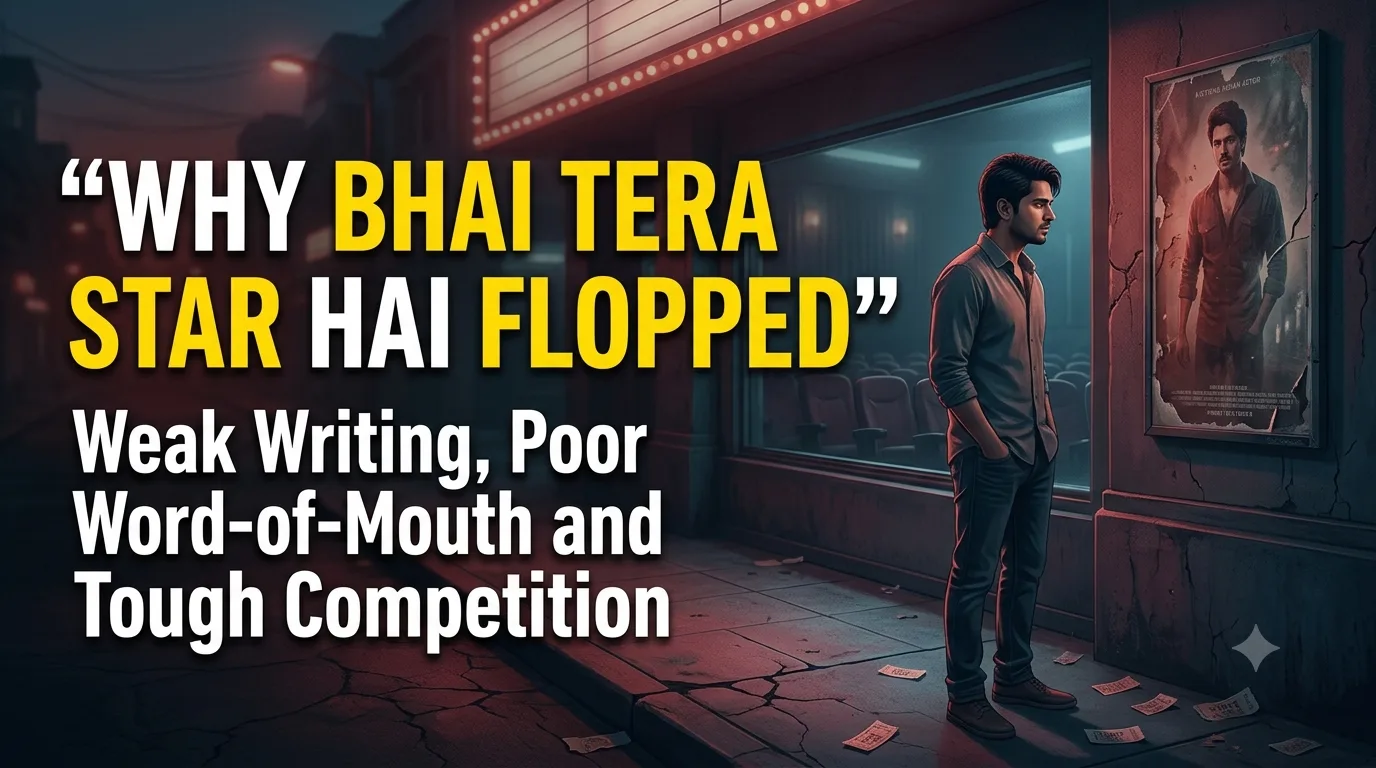
Shahid Kapoor and Vishal Bhardwaj’s highly anticipated collaboration, O’Romeo, has finally hit theaters, leaving audiences and critics divided over this ambitious gangster romance. The film, which reunites the powerhouse actor-director duo after their critically acclaimed ventures, delivers stunning performances but struggles with pacing and narrative coherence.
Released on Valentine’s Day weekend, the nearly three-hour epic attempts to blend poetry with violence, romance with revenge, but the results are as polarizing as they are ambitious.
A Tale of Love and Bloodshed
O’Romeo draws loose inspiration from journalist Hussain Zaidi’s “Mafia Queens of Mumbai,” specifically focusing on the story of Sapna Didi and contract killer Hussain Ustara. However, Bhardwaj takes significant creative liberties, reframing the narrative as a tragic romance centered on the hitman.
Shahid Kapoor plays Ustara, a ruthless contract killer operating in Mumbai’s dangerous underworld under the command of Ismail Khan, portrayed by veteran actor Nana Patekar. The deadly assassin’s life takes an unexpected turn when he encounters Afshan, played by Triptii Dimri, a widow seeking revenge for her husband’s murder.
What begins as a professional relationship transforms into passionate love, compelling Ustara to choose between his violent profession and the possibility of redemption through romance. The film explores whether gangsters possess moral boundaries and if love can truly conquer the darkness of a life built on bloodshed.
Shahid Kapoor: The Undisputed Highlight
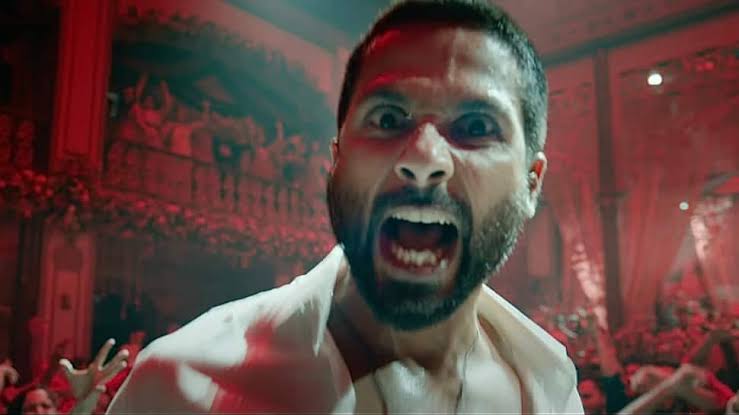
Critics unanimously agree that Shahid Kapoor delivers another powerhouse performance, proving once again why he is Vishal Bhardwaj’s ultimate muse. His portrayal of Ustara balances explosive intensity with vulnerable restraint, creating a character that’s simultaneously dangerous and deeply human.
The actor brings remarkable physical flexibility and screen presence to the role, carrying scenes with magnetic energy that keeps audiences engaged even when the screenplay falters. His rugged appearance and commitment to the character showcase the transformation he undergoes in Bhardwaj’s cinematic universe.
However, some reviewers noted that despite his stellar performance, Shahid deserves better script selection. The actor consistently delivers quality work, but the film’s structural weaknesses prevent his talent from achieving maximum impact.
Triptii Dimri Returns to Familiar Territory
Triptii Dimri’s performance as Afshan has drawn comparisons to her breakthrough role in “Bulbbul.” She brings haunting stillness and emotional depth to the character, conveying complex emotions through expressions rather than dialogue.
For many critics, this represents Dimri’s strongest work since “Qala,” with her portrayal balancing vulnerability and fierce determination beautifully. The actress handles both the romantic and revenge-driven aspects of her character with equal conviction.
However, some reviewers felt that while Dimri performed admirably, her character could have been written with more novelty and depth, offering limited opportunities to showcase her full range beyond familiar territory.
Supporting Cast Adds Weight
Nana Patekar, though appearing sparingly throughout the film, makes every frame count with his commanding presence. The veteran actor brings gravitas to his role as Ismail Khan, reminding audiences why he remains one of Bollywood’s most respected performers.
Avinash Tiwary plays the antagonist Jalal with an intensity that creates genuine tension, though several critics noted his character deserved more screen time and development to fully realize its potential.
Vikrant Massey appears in a brief but emotionally significant role as Afshan’s murdered husband, providing the emotional catalyst for the revenge narrative. Farida Jalal also contributes memorable moments despite limited appearance.
The Pacing Problem
The film’s most consistent criticism centers on its nearly three-hour runtime and uneven pacing. Multiple reviewers noted that O’Romeo starts strong but loses momentum significantly in the second half.
The first forty minutes reportedly establish a gripping, aesthetically pleasing gangster world with impressive action sequences and atmospheric storytelling. However, the narrative subsequently struggles to maintain this energy, with the second half feeling stretched and tedious.
Some critics described feeling like they’d watched two complete films by the time the credits rolled, suggesting the runtime wasn’t justified by the available narrative material. The interval point arrives feeling like a natural conclusion, making the remaining duration feel excessive.
Vishal Bhardwaj’s Mixed Execution
Expectations were sky-high given Bhardwaj’s proven track record with films like “Kaminey” and “Haider.” While O’Romeo displays his signature poetic visual style and atmospheric direction, it’s considered far from his most convincing work.
The film features beautiful cinematography and well-choreographed action sequences that showcase Bhardwaj’s evolved approach to violence. The music and background score by Bhardwaj himself, with lyrics by Gulzar, work effectively to support the mood.
However, the screenplay receives widespread criticism for lacking the tightness and depth expected from the acclaimed filmmaker. The narrative feels strangely conventional despite attempts at stylistic flourishes, struggling between commercial accessibility and artistic ambition.
Critical Reception Breakdown
Reviews range from genuinely enthusiastic to deeply disappointed, with most falling somewhere in the middle:
Positive voices praise the film’s refusal to play safe, its poetic treatment of violence, and the chemistry between lead actors. The action sequences, particularly one featuring Shahid and Triptii as a shooting duo, earn special mention.
Moderate reviews acknowledge the film’s merits—strong performances, good music, impressive visuals—while noting it doesn’t quite come together as a cohesive whole. These critics suggest it works as a one-time watch for those appreciating mood-driven cinema.
Harsh critiques label the film as tedious, boring, and illogical, pointing to plot conveniences like characters miraculously surviving fatal injuries. These reviewers express disappointment that a filmmaker of Bhardwaj’s caliber delivered what they consider a creative setback.
Why This Matters
The mixed response to O’Romeo raises important questions about audience expectations for established filmmaker-actor combinations. When a duo has previously delivered masterpieces, each subsequent collaboration carries the burden of matching or exceeding past achievements.
The film also represents the ongoing challenge in Bollywood of balancing commercial viability with artistic integrity. Bhardwaj’s attempt to create a mainstream gangster romance with poetic sensibilities doesn’t fully satisfy either traditional action fans or art cinema enthusiasts.
For Shahid Kapoor, this marks another instance where his performance exceeds the material, highlighting the importance of script selection even for talented actors. With increasing competition from younger stars making smarter career choices, the pressure to choose wisely intensifies.
Despite its flaws, O’Romeo contributes to the ongoing conversation about what contemporary audiences expect from the gangster romance genre and whether traditional three-hour runtimes remain viable without exceptionally tight writing.